
The handmade goods market continues to expand rapidly, driven by consumer demand for unique, personalized products.
Artisans worldwide are leveraging digital platforms to reach global audiences without needing physical stores.
Understanding how to sell handmade goods online in 2026 requires strategic planning across multiple areas – from product development to legal compliance.
The barrier to entry has lowered significantly, but sustainable success demands execution discipline.
How to Sell Handmade Goods Online?
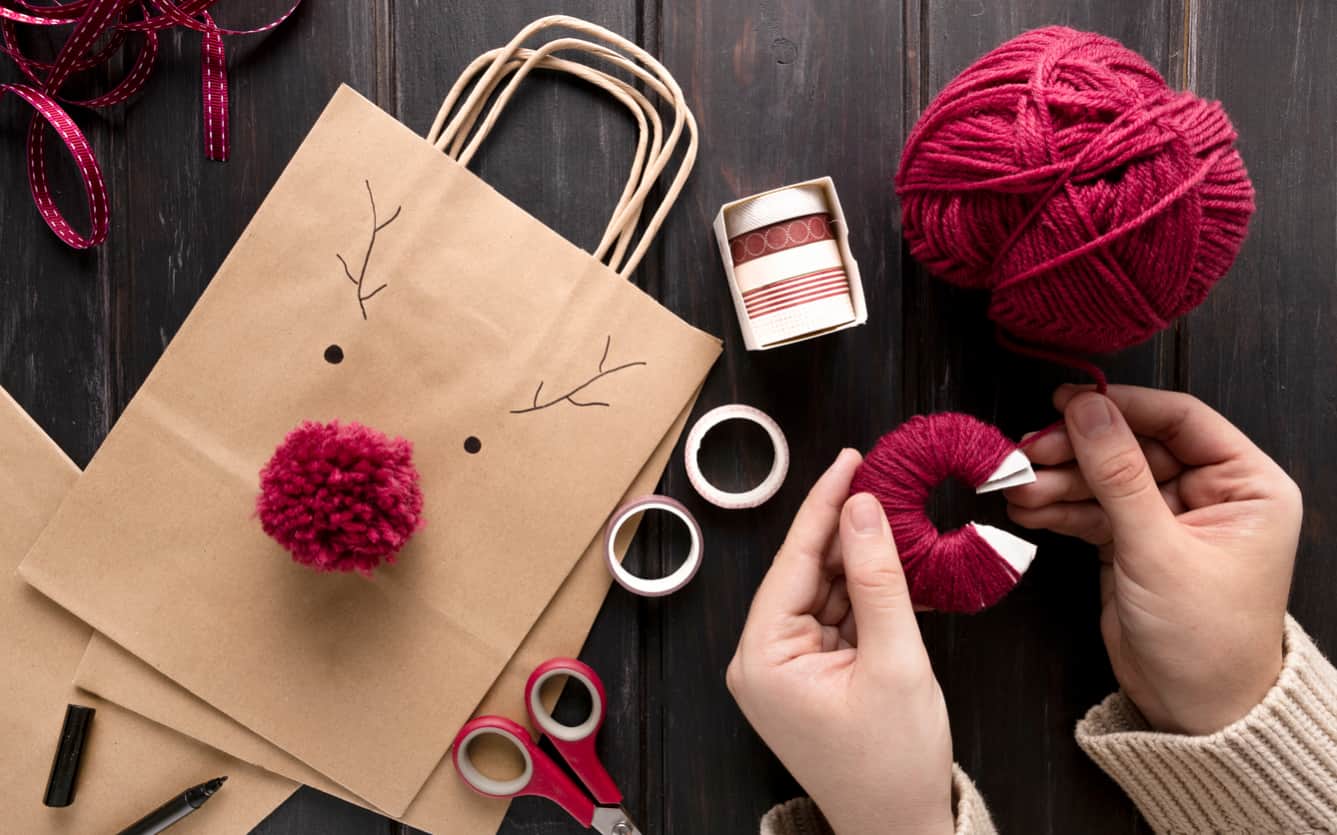
This guide provides actionable steps, platform comparisons, and profitability frameworks designed for makers ready to launch or scale their online handmade business.
Steps to Sell Handmade Goods Online in 2026
| Step | Action | Purpose |
|---|---|---|
| Niche Selection | Identify product category and target buyer | Reduces competition and clarifies branding |
| Product Creation | Develop consistent, high-quality handmade items | Builds trust and repeat purchases |
| Platform Selection | Choose suitable selling platforms | Ensures visibility to the right audience |
| Brand Setup | Create brand name, logo, and product identity | Improves recall and perceived value |
| Pricing Strategy | Calculate cost-based and market-based pricing | Maintains profitability |
| Marketing Execution | Apply organic and paid promotion methods | Drives traffic and sales |
| Legal Compliance | Handle registration, tax, and platform rules | Avoids penalties and account bans |
How to Start a Handmade Goods Business?
- Choosing a Profitable Handmade Niche
Select a specific product category where your skills align with market demand. Jewelry, home décor, personalized gifts, and custom clothing remain high-performing niches. Research competitor saturation and pricing to identify underserved segments within broader categories.
- Sourcing Quality Raw Materials
Identify reliable suppliers offering consistent quality at scalable prices. Compare wholesale vendors, local craft stores, and specialty suppliers for materials. Establish backup sources to prevent production delays and maintain relationships with at least two suppliers per material type.
- Product Standardization and Quality Control
Develop production workflows that ensure consistency across batches. Create detailed specifications for dimensions, materials, and finishing standards. Implement quality checks at multiple production stages to catch defects before shipping and maintain brand reputation.
- Brand Name, Logo, and Packaging
Choose a memorable business name that reflects your product category and values. Design a simple, scalable logo that works across digital and physical applications. Invest in cohesive packaging that protects products while reinforcing brand identity and unboxing experience.
- Setting Up Online Presence
Create social media profiles on Instagram, Pinterest, and Facebook before launching sales channels. Build a simple website or landing page that showcases your brand story and product range. Use consistent branding, contact information, and messaging across all platforms.
- Product Photography Essentials
Photograph products in natural lighting with clean, distraction-free backgrounds. Capture multiple angles, including detail shots, scale references, and lifestyle images showing products in use. Use a smartphone with good camera quality or invest in basic photography equipment for consistent results.
Top 5 Best Online Platforms for Selling Handmade Products
| Platform | Best For | Key Advantage |
|---|---|---|
| Etsy | Handmade and customized products | Built-in buyer intent |
| Amazon Handmade | High-volume sellers | Massive customer base |
| Shopify | Brand-focused sellers | Full control and scalability |
| Instagram Shops | Visual handmade products | Direct audience engagement |
| eBay | Auction and fixed-price items | Flexible selling formats |
Best Online Platforms for Selling Handmade Products
- Etsy
Etsy specializes in handmade, vintage, and craft supplies with millions of active buyers seeking unique items. The platform works best for customizable products, artisan jewelry, and small-batch home décor. Optimize listings with detailed tags, high-quality images, and competitive pricing to stand out in a saturated marketplace.
- Amazon Handmade
Amazon Handmade provides access to Amazon’s massive traffic but requires application approval and charges referral fees per sale. Ideal for makers ready to handle higher order volumes with fast shipping capabilities. Products must be genuinely handmade and cannot use mass production techniques or third-party manufacturers.
- Shopify
Shopify enables complete brand control through custom storefronts without marketplace competition cluttering your pages. Best suited for established makers building long-term brand equity and customer relationships. Requires investment in driving your own traffic through marketing, but offers higher profit margins and customer data ownership.
- Instagram & Facebook Shops
Instagram and Facebook Shops integrate directly with your social profiles, allowing followers to purchase without leaving the platform. Works exceptionally well for visually striking products like jewelry, art prints, and fashion accessories. Leverage Stories, Reels, and organic content to drive discovery and sales simultaneously.
- eBay
eBay supports both auction-style and fixed-price listings, offering flexibility in pricing strategies for handmade goods. Attracts bargain hunters and collectors searching for unique items at competitive prices. Lower barriers to entry than other platforms, but requires active customer service and shipping management.
What Are The Marketing Strategies for Selling Handmade Items?
- SEO-Optimized Product Listings
Incorporate relevant keywords into product titles, descriptions, and tags to improve search visibility on marketplaces and search engines. Use specific descriptors like “handmade leather wallet” instead of generic terms. Test different keyword combinations and analyze which listings generate the most organic traffic.
- Instagram & Pinterest Marketing
Create visually compelling content showcasing your products in lifestyle contexts that inspire purchase decisions. Use Instagram Reels and Pinterest Pins to reach new audiences through algorithm-driven discovery. Post consistently, engage with followers, and use relevant hashtags to build a community around your brand.
- Paid Ads for Handmade Products
Run targeted Facebook and Instagram ads to reach specific demographics interested in handmade goods within your niche. Start with small budgets, testing different images, copy, and audience segments before scaling successful campaigns. Track return on ad spend to ensure profitability and adjust targeting based on performance data.
- Email Marketing for Repeat Buyers
Build an email list through website sign-ups, offering first-purchase discounts or exclusive content to subscribers. Send regular newsletters featuring new products, behind-the-scenes content, and special promotions for existing customers. Automated email sequences can recover abandoned carts and drive repeat purchases effectively.
- Influencer Collaborations
Partner with micro-influencers in your niche who have engaged audiences matching your target customer profile. Provide free products in exchange for honest reviews and social media posts featuring your handmade goods. Track referral traffic and sales to measure collaboration effectiveness before investing in paid partnerships.
For makers lacking time or expertise in digital marketing, agencies like NexifyRank offer affordable services tailored to small handmade businesses, helping with SEO optimization, paid advertising, and social media management without requiring large budgets.
What Should Be The Pricing and Profitability Considerations for Handmade Goods?
- Material and Production Cost Calculation
Track every material cost, including primary supplies, packaging, labels, and finishing touches, to establish baseline product costs. Calculate per-unit costs accurately by dividing bulk material purchases by the number of products created. Factor in waste and defects when determining true material costs per finished item.
- Labor Time Valuation
Time your production process from start to finish and assign an hourly wage that reflects your skill level and market standards. Multiply production hours by your target hourly rate to determine labor costs per product. Include design time, quality control, and packaging in total labor calculations for accurate pricing.
- Platform Fees and Shipping Costs
Account for marketplace listing fees, transaction fees, payment processing charges, and any subscription costs when calculating final prices. Build shipping costs into product pricing or charge separately based on carrier rates and package dimensions. Compare platform fee structures to identify which channels offer the best net profit margins.
- Competitive Market Pricing
Research competitors selling similar handmade products to understand prevailing price ranges within your niche and quality tier. Price competitively while ensuring adequate profit margins by differentiating through quality, customization, or unique design elements. Avoid underpricing to compete on cost alone, as this erodes profitability and brand perception.
- Testing Premium vs Bundle Pricing
Experiment with premium pricing for limited editions or custom orders to test price elasticity in your market. Offer product bundles or sets at discounted rates to increase average order value and move inventory. Track sales data across pricing tiers to identify optimal price points balancing volume and profit margins.
What Are The Legal and Tax Requirements for Handmade Businesses?
- Business Registration Options
Register as a sole proprietorship for the simplest setup or form an LLC for liability protection as your business grows. Check local regulations for home-based business permits and zoning restrictions before starting production. Obtain necessary business licenses and a tax identification number for legitimate operation and banking.
- Sales Tax and GST Considerations
Determine your sales tax obligations based on your location and where customers are located across different states or countries. Register for sales tax permits in jurisdictions where you have nexus or meet economic threshold requirements. Many platforms handle tax collection automatically, but verify your specific responsibilities with a tax professional.
- Copyright and Trademark Protection
Protect original designs through copyright registration to establish legal ownership and prevent unauthorized copying by competitors. Consider trademarking your business name and logo if building a long-term brand with significant marketing investment. Document your design process and creation dates to establish proof of originality if disputes arise.
- Platform Policy Compliance
Read and follow each marketplace’s specific policies regarding handmade verification, prohibited items, and seller conduct standards. Maintain documentation proving products are genuinely handmade if required by platforms like Amazon Handmade or Etsy. Violating platform policies can result in account suspension or permanent bans, affecting your business continuity.
Conclusion:
Successfully launching a handmade goods business in 2026 requires systematic execution across product development, platform selection, and marketing implementation.
This Guide to Selling Handmade Goods Online provides the framework, but sustained profitability depends on consistent quality and customer service.
Focus execution on these priorities:
- Product setup with standardized quality control
- Platform choice aligned with your niche and volume capacity
- Marketing execution through organic content and targeted advertising
- Pricing discipline that covers all costs while remaining competitive
- Legal clarity prevents compliance issues and account penalties
The opportunity to Sell Handmade Goods Online in 2026 remains strong for makers who approach it as a business requiring strategic planning, not just a creative outlet.