
AI is changing how people search. ChatGPT, Perplexity, and Google’s AI Overviews are replacing traditional search for millions of users every day.
If your brand doesn’t show up in AI-generated answers, you’re invisible to a growing segment of your audience.
The challenge isn’t just ranking on Google anymore—it’s getting cited by AI models when users ask questions in your space.
Best AI SEO Tools to Rank Higher in AI Search Results
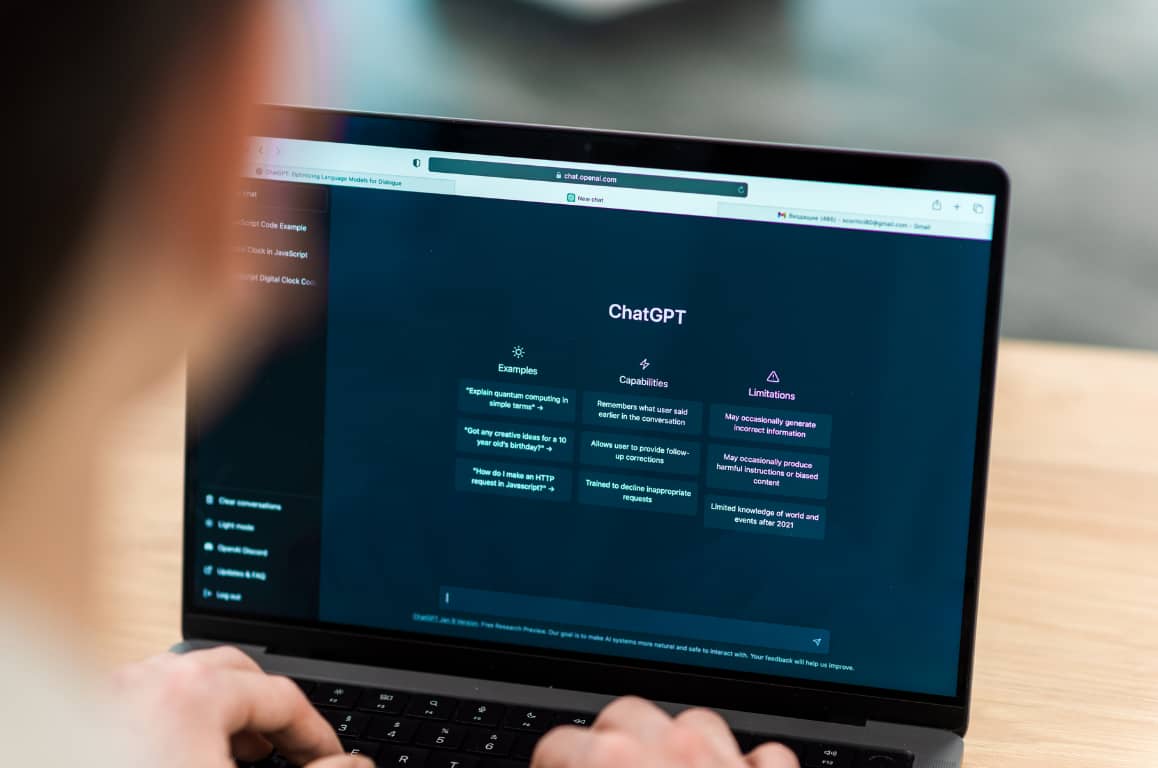
This guide breaks down the best AI SEO tools that help you track, optimize, and improve your visibility across AI search platforms.
You’ll learn which tools monitor your mentions, which ones help you optimize content for AI engines, and how to choose the right platform for your needs.
Top AI SEO Tools Compared
| Tool | Best For | AI Platforms Tracked | Key Feature |
|---|---|---|---|
| LLMrefs | Keyword-based tracking with real UI crawling | ChatGPT, Perplexity, Claude, Gemini, AI Overviews | Auto-generates prompts from 4.5M ChatGPT dataset |
| Semrush AI Visibility | Enterprise teams tracking large prompt sets | ChatGPT, SearchGPT, Gemini, Google | Competitor benchmarking at scale |
| Ahrefs Brand Radar | Marketers already using Ahrefs | ChatGPT, Copilot, Gemini, Perplexity, AI Overviews | Prompt clustering and source analysis |
| Surfer AI Tracker | Content teams optimizing for AI citations | ChatGPT, Perplexity, AI Overviews | Content optimization workflow integration |
| SE Ranking AI Visibility | Small businesses and agencies | ChatGPT, Google AI Overviews, AI Mode | Affordable pricing with competitor tracking |
| BrightEdge AI Catalyst | Enterprise marketing teams | ChatGPT, Perplexity, AI Overviews | Sentiment and attribute analysis |
| AccuRanker AccuLLM | SEO professionals tracking citations | ChatGPT, Perplexity, AI Overviews, AI Mode | Domain citation tracking with sentiment |
| Conductor AI Visibility | Teams tracking by persona and intent | Major AI engines (customizable) | Custom tracking by topic and region |
| Botify | Technical SEO teams monitoring AI bots | ChatGPT, Perplexity, Google AI Mode | AI bot crawler tracking and analysis |
| Otterly | Automated brand monitoring | ChatGPT, Perplexity, Gemini, Copilot, AI Overviews | Automated prompt monitoring with GEO audits |
What Are AI SEO Tools and Why Do You Need Them?
AI SEO tools help you monitor and optimize how your brand appears in AI-generated search results.
Unlike traditional SEO tools that track Google rankings, these platforms show you when ChatGPT, Perplexity, or Claude mentions your brand and which competitors they recommend instead.
The shift matters because user behavior is changing. People don’t always click through ten blue links anymore.
They ask AI assistants questions and trust the first answer they get.
If that answer doesn’t include your brand, you’ve lost the customer before they even know you exist.
How AI Search Differs from Traditional Search?
Traditional search shows a list of links. AI search synthesizes information and presents one consolidated answer.
That means:
- Only a few sources get cited per answer
- Position zero matters more than ever
- Content structure affects whether you get mentioned
- Authority signals influence AI model recommendations
The tools below help you understand where you stand in this new landscape.
Detailed Breakdown of the Best AI SEO Tools
LLMrefs
LLMrefs takes a different approach by letting you enter keywords instead of guessing prompts.
The platform automatically generates questions based on real user conversations from a dataset of 4.5 million ChatGPT prompts.
It crawls actual user interfaces rather than relying on API data, which often differs from what real users see.
Results are tested repeatedly until statistically significant, so you get reliable trend data instead of single snapshots.
Best for: Marketers who want transparent metrics like share of voice and average position without mystery scores.
Semrush AI Visibility Checker
Semrush runs large prompt sets across ChatGPT, SearchGPT, Gemini, and Google to show whether your brand gets mentioned and how it’s described.
The platform adds competitor benchmarking so you can see exactly where you’re losing ground.
Prompt monitoring lets you track changes over time, making it easier to spot when visibility drops and fix the problem before it affects traffic.
Best for: Teams already using Semrush who want to add AI visibility tracking to their existing workflow.
Ahrefs Brand Radar
Brand Radar tracks your visibility across multiple AI platforms, including Google AI Overviews, ChatGPT, Copilot, Gemini, and Perplexity.
It clusters prompts to show patterns in how users ask questions and which sources AI models cite most often.
The competitor benchmarking feature helps you identify content gaps where competitors appear, but you don’t.
Best for: SEO professionals who rely on Ahrefs for backlink analysis and want integrated AI tracking.
Surfer AI Tracker
Surfer tracks how often your brand gets mentioned across ChatGPT, Perplexity, and AI Overviews.
The platform ties directly into Surfer’s content optimization tools, so you can identify visibility gaps and fix them in the same workflow.
The tracking shows mention frequency over time and connects those mentions to specific content improvements.
Best for: Content teams focused on optimizing articles to earn more AI citations.
SE Ranking AI Visibility Tool
SE Ranking’s AI Results Tracker monitors brand mentions and links in AI answers from ChatGPT, Google AI Overviews, and AI Mode.
It includes competitor comparisons so you can see how your visibility stacks up against others in your space.
The platform also tracks which URLs get cited, helping you understand what content types perform best.
Best for: Small businesses and agencies looking for affordable AI visibility tracking with solid reporting features.
BrightEdge AI Catalyst
AI Catalyst monitors brand presence across AI Overviews, ChatGPT, Perplexity, and other AI search surfaces in one dashboard.
It ties visibility metrics to specific prompts and includes sentiment analysis to show how AI engines describe your brand.
Attribute analysis breaks down which product features or brand qualities appear most often in AI responses.
Best for: Enterprise marketing teams managing complex, multi-channel strategies.
AccuRanker [AccuLLM]
AccuLLM tracks brand mentions across ChatGPT, Perplexity, Google AI Overviews, and AI Mode.
The tool reports domain citations, sentiment, and competitor benchmarks so you can compare visibility across different AI platforms.
Citation tracking helps you understand which pages drive the most mentions in AI-generated answers.
Best for: SEO professionals who need detailed citation data and sentiment analysis.
Conductor AI Visibility Tracking
Conductor lets you customize tracking by persona, intent, topic, brand, and region.
This flexibility helps larger teams monitor different audience segments and understand how AI engines respond to various user types.
The platform connects mentions, citations, sentiment, and competitor data to specific content opportunities.
Best for: Teams tracking multiple personas or regional markets with different AI visibility needs.
Botify
Botify tracks how your brand appears in ChatGPT, Perplexity, and Google AI Mode while also monitoring which AI crawlers visit your site and what content they access.
This dual approach helps you connect crawler activity to actual visibility in AI answers.
The technical focus makes it particularly useful for large sites with complex architectures.
Best for: Technical SEO teams who need to understand AI crawler behavior alongside visibility metrics.
Otterly
Otterly automatically tracks brand mentions and citations across Google AI Overviews, ChatGPT, Perplexity, Google AI Mode, Gemini, and Copilot.
It includes prompt monitoring, brand reports, sentiment tracking, and position analysis.
GEO audits help you identify technical issues that might prevent AI models from citing your content, and data exports make it easy to share results with stakeholders.
Best for: Marketers who want automated monitoring without manual prompt creation.
Free AI SEO Tools Worth Using
Not every business needs an enterprise platform. Several free tools help you check AI visibility without a subscription:
- LLMrefs Free Tools – Includes an llms.txt generator, AI crawl checker, and content optimizer
- Peekaboo Free Utilities – Offers an AI crawlability checker, LLMs.txt generator, and sentiment checker
- Searchable Free Report – Provides a basic visibility report across ChatGPT, Claude, and Perplexity
- AIOSEO LLMs.txt Generator – Creates the file that tells AI systems which content to crawl
These tools won’t replace comprehensive tracking, but they’re useful for quick checks or small businesses testing AI visibility for the first time.
Understanding AI Search Optimization (AEO and GEO)
AI search optimization goes by several names.
You’ll see it called AEO (Answer Engine Optimization), GEO (Generative Engine Optimization), or LLMO (Large Language Model Optimization).
The goal stays the same: structure your content so AI models cite it when answering user questions.
Key Ranking Factors for AI Search
AI models look for different signals than traditional search engines:
- Content structure – Clear headings, concise answers, and well-organized information make it easier for AI to extract relevant details.
- Authority signals – Citations from trusted sources, quality backlinks, and expert authorship increase the likelihood of being referenced.
- Semantic relevance – Content that directly answers common questions in your industry performs better than promotional material.
- Technical accessibility – Proper schema markup, clean HTML, and AI-friendly crawl permissions help models access your content.
Unlike traditional SEO, where you can optimize for hundreds of keywords, AI search prioritizes depth over breadth.
A single comprehensive resource that answers related questions often outperforms dozens of thin articles.
How to Choose the Right AI SEO Tool?
Start by defining what you need to track. Different tools serve different purposes:
- For basic visibility checks: Free tools like Searchable or Peekaboo work fine if you just want to know whether AI engines mention your brand.
- For competitive intelligence: Platforms like Ahrefs Brand Radar or Semrush AI Visibility show detailed competitor comparisons and help you identify content gaps.
- For technical optimization: Tools like Botify or Conductor track AI crawler behavior and connect it to visibility outcomes.
- For content teams: Surfer or Frase integrates optimization directly into content creation workflows.
Consider your existing tech stack, too. If you already use Ahrefs, adding Brand Radar makes more sense than learning a completely new platform.
Common Mistakes When Optimizing for AI Search
Many teams approach AI optimization the same way they handle traditional SEO. That usually backfires.
- Mistake 1: Keyword stuffing AI models prioritize natural language and comprehensive answers. Cramming keywords into content reduces readability without improving visibility.
- Mistake 2: Ignoring prompt intent Traditional keyword research focuses on what people type into search boxes. AI optimization requires understanding how people phrase questions conversationally.
- Mistake 3: Treating all AI platforms the same ChatGPT, Perplexity, and Google AI Overviews use different ranking signals and content preferences. What works on one platform may not transfer to others.
- Mistake 4: Expecting instant results AI model training cycles mean visibility changes take longer to appear than traditional SEO updates. Testing and refinement require patience.
- Mistake 5: Neglecting source authority AI models heavily weight the credibility of cited sources. Building authority through quality backlinks and expert content matters more than ever.
Measuring ROI from AI Search Visibility
Tracking mentions alone doesn’t prove business impact. Connect AI visibility to actual outcomes:
- Track referral traffic – Tools like Peasy and Atomic connect AI platform mentions to website visits and conversions. This shows whether visibility translates to customers.
- Monitor brand search volume – Increased AI mentions often correlate with higher branded search volume as users learn about you through AI answers.
- Measure assisted conversions – Users who see your brand in AI answers may not click immediately, but could convert later through other channels.
- Compare cost per acquisition – Calculate whether AI visibility delivers customers more efficiently than paid channels.
The ROI case gets stronger when you can show that AI citations reduce dependence on expensive advertising or improve conversion rates from organic traffic.
The Future of AI Search Optimization
AI search continues evolving rapidly. Several trends will shape how businesses optimize for visibility:
- Multimodal search – AI models increasingly analyze images, videos, and audio alongside text. Optimizing visual content for AI discovery becomes critical.
- Personalization – AI answers will adapt based on user history and preferences, making one-size-fits-all optimization less effective.
- Real-time updates – Models with live web access will prioritize fresh content more heavily than static training data.
- Voice integration – As voice assistants improve, optimizing for conversational queries becomes more important than written search.
Businesses that start tracking and optimizing now will have a significant advantage as AI search continues taking market share from traditional engines.
Frequently Asked Questions
- What’s the difference between AI SEO tools and traditional SEO tools?
Traditional SEO tools track rankings on search engines like Google. AI SEO tools monitor how often your brand appears in AI-generated answers from platforms like ChatGPT, Perplexity, and Claude.
- Do I need to pay for AI visibility tracking?
Free tools provide basic visibility checks, but paid platforms offer competitive analysis, trend tracking, and optimization recommendations that free options don’t include.
- Which AI platforms should I prioritize?
Start with ChatGPT and Google AI Overviews since they have the largest user bases. Add Perplexity and Claude if your audience uses those platforms frequently.
- How long does it take to improve AI search visibility?
Most businesses see initial changes within 4-8 weeks of implementing optimizations, but meaningful improvement typically requires 3-6 months of consistent work.
- Can I optimize for AI search without changing my existing content?
Technical improvements like adding schema markup and llms.txt files help, but significant visibility gains usually require content updates that better answer user questions.
Start Tracking Your AI Visibility Today
AI search isn’t replacing traditional search overnight, but the shift is accelerating.
Brands that wait too long risk losing visibility to competitors who start optimizing now.
The tools covered in this guide give you options for every budget and use case.
Start with a free visibility check to see where you stand, then choose a platform that matches your goals.
Track your mentions, identify gaps where competitors appear instead of you, and optimize your content to earn citations.
The earlier you start, the stronger your position when AI search becomes the dominant way users find information.
Also Check: